
An oasis of peace on the lake
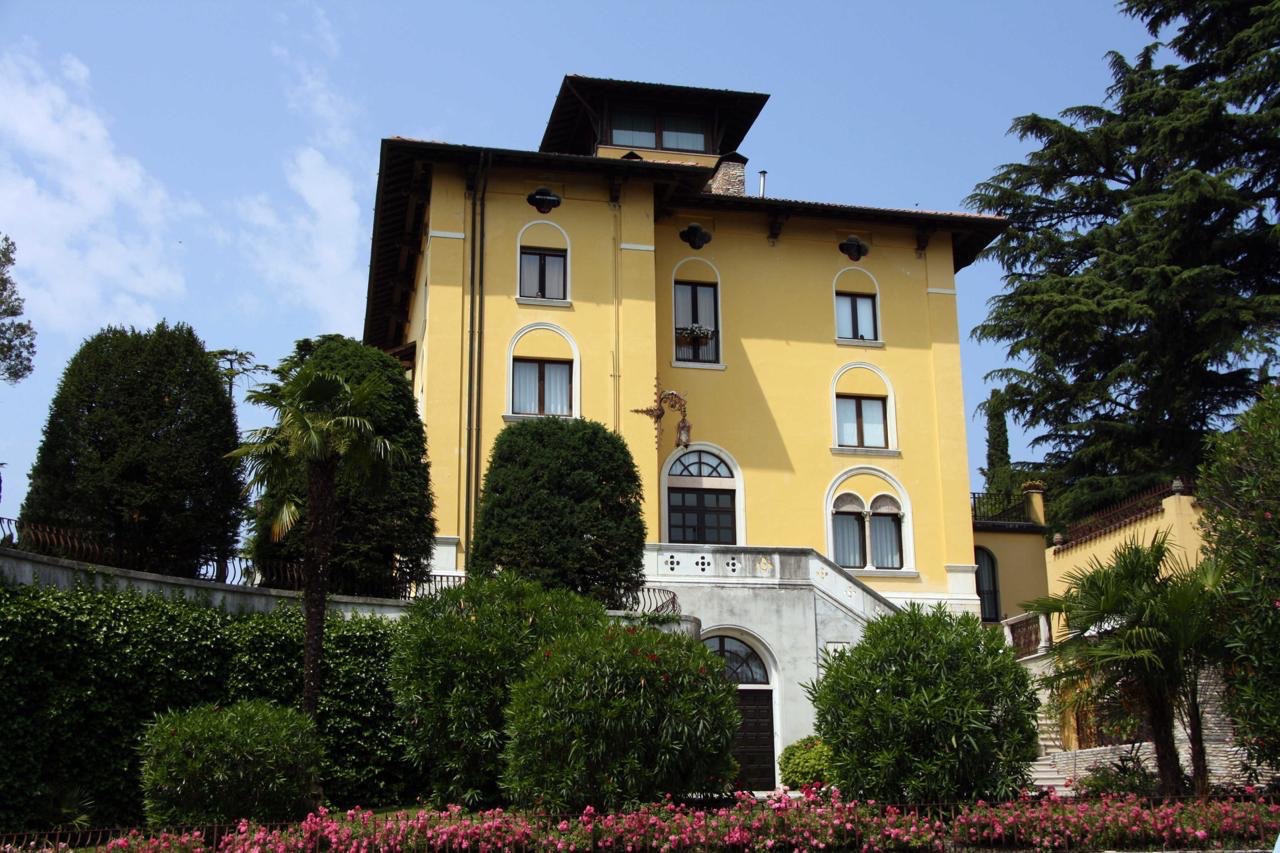
On the shores of Lake Garda, in the heart of Sirmione, stands a gracious yellow villa that in the 1950s became the private world of Maria Callas. Known as La Divina, she was already a legend of the operatic stage, admired in the great theatres of the world. And yet, in Sirmione, Callas found something different: an intimate refuge, far from the applause and the weight of her fame.
She loved the calm atmosphere of the village, the benefits of Sirmione’s thermal waters– where today a selection of La Divina’s original stage costumes and dresses are on show right at the spa entrance – and the simple pleasure of strolling through the narrow streets lined with small shops. In the evenings, she could often be seen at the historic Caffè Grande Italia, seated quietly with her husband Giovanni Battista Meneghini, enjoying moments of ordinary happiness. Even when away on tour, Callas never forgot her beloved Sirmione: she wrote postcards to friends in the village, confessing how much she missed what she called her “paradise on earth.”
For the people of Sirmione, Maria Callas was not just a star but a familiar presence. They remember her walks along Via Catullo, where her villa still stands, and her serene figure in the garden overlooking the lake. Today, some say that if you close your eyes while passing by, you can almost hear her voice drifting from the terrace: soft, suspended in the Garda air.

Villa Meneghini-Callas: History of an Earthly Paradise
In April 1949, Maria Callas married Giovanni Battista Meneghini, a Veronese industrialist and passionate music lover. As a wedding gift, he gave her the family’s villa in Sirmione soon affectionately renamed Villa Callas. Nestled in the historic center, a few steps from the Grotte di Catullo, the villa became their home for almost a decade.
Here, Maria left her personal touch: she redesigned the park with flowerbeds and gazebos, and even had a unique swimming pool built, its shape said to echo the outline of Lake Garda. Within those gardens and rooms, she could retreat after long international tours, surrounded by silence, water, and the warmth of domestic life.
It was also in Sirmione that Maria underwent her extraordinary personal transformation in the 1950s. With discipline and elegance, she reinvented herself, inspired by the refined style of Audrey Hepburn. The graceful figure and striking image that would make her an icon were shaped in part in these peaceful years by the lake.
Although her life later led her elsewhere, Callas never truly left Sirmione. She once wrote: “I would like to end my days in Sirmione and be buried in this earthly paradise.” Fate decided otherwise, but her wish still resonates through the village.
Today, Sirmione honors her memory in many ways: a plaque on the villa recalls her presence, the gardens opposite are now the Maria Callas Park, and the Palazzo Callas in the historic center hosts cultural events in her name. Each summer, concerts and festivals celebrate her legacy, ensuring that her music continues to weave through the streets of the town she cherished.
For Maria Callas, Sirmione was more than a residence: it was a sanctuary where she could rest, dream, and simply live. Nearly fifty years after her passing, her presence lingers on Lake Garda, not in marble or monuments, but in the affection of a community and in the timeless beauty of a place that she once called her paradise.
Living the paradise
If you are looking to make Lake Garda your home or temporary retreat, Garda Gems provides tailored relocation and advisory services to guide you through finding and settling into your perfect lakeside home.
Photo credits
– Portrait of Maria Callas – Wikimedia Commons (Public Domain)– Villa Meneghini-Callas, Sirmione – Photo by Schorle / Wikimedia Commons (CC BY-SA 3.0) – Sirmione view – Photo © Garda Gems (own photo)
Text by Amy Signorini
Leave a Reply